Audio Guestbook vs Video Guestbook
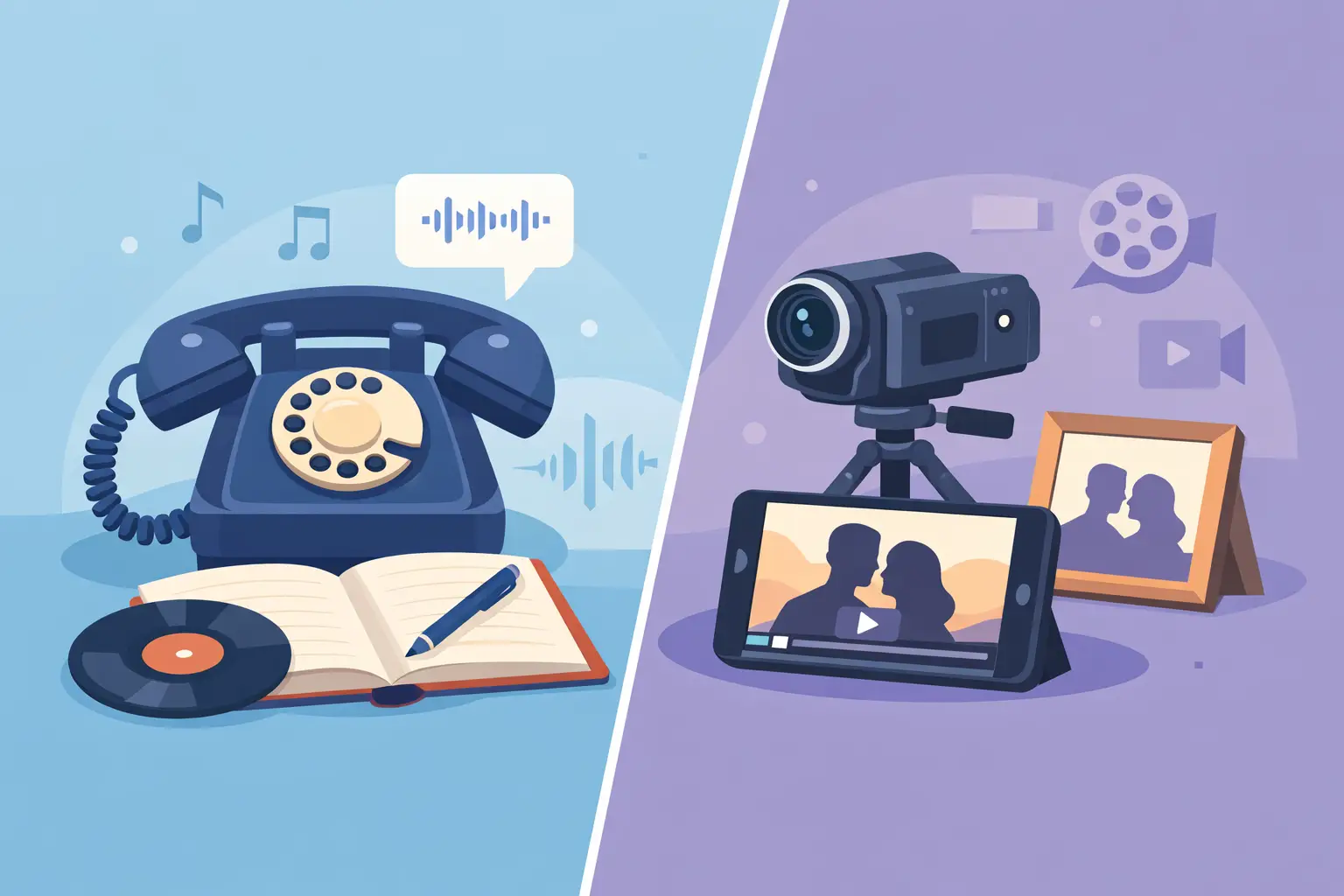
Some event decisions are purely practical. This one is personal. When couples and planners compare audio guestbook vs video guestbook, they are really deciding how they want memories to feel afterward - intimate and voice-driven, or expressive and face-to-face.
Both options create keepsakes your guests will actually enjoy contributing to. Both can feel elevated, modern, and far more meaningful than a traditional sign-in table. But they do very different jobs at an event, and the best choice depends on your crowd, your timeline, your venue flow, and the kind of memories you want to revisit long after the celebration ends.
Audio guestbook vs video guestbook: what changes the experience?
An audio guestbook invites guests to pick up a phone, hear a prompt, and leave a voice message. It feels nostalgic, low-pressure, and surprisingly emotional. People tend to speak candidly when there is no camera in front of them, which often leads to heartfelt stories, inside jokes, and messages that feel personal in a way written notes rarely do.
A video guestbook captures guests on camera as they record a message. That adds expression, body language, fashion, energy, and visual personality. You do not just hear the laughter - you see it. For weddings, milestone birthdays, and branded events, that visual layer can turn a simple message into a polished time capsule.
Neither format is automatically better. The real difference is how your guests participate and what kind of final memory matters most to you.
Why audio guestbooks feel so effortless
Audio guestbooks tend to win on comfort. Even outgoing guests sometimes freeze when a lens is pointed at them, especially at formal events where they are dressed up and aware of being seen. Talking into a phone feels easier. It is familiar, private enough to lower the pressure, and quick enough to fit naturally into cocktail hour or open mingling.
That ease often translates into more participation across age groups. Grandparents, younger guests, busy professionals at a corporate event, and friends who would never volunteer for a filmed message may all be willing to leave a voicemail-style note. The result is often a deeper mix of voices and a wider emotional range.
Audio also has a timeless quality. Hearing someone’s exact voice years later can be incredibly moving. There is a closeness to it. It feels less produced and more real.
The trade-off is obvious: you lose the visual story. You will not see the outfit, the grin, the tears, or the group dynamic in the moment. If visual presence is central to the memory, audio alone may feel incomplete.
Where video guestbooks stand out
Video guestbooks shine when personality is part of the point. You capture reactions, movement, humor, and atmosphere in a fuller way. For couples, that can mean seeing loved ones speak directly to them with all the warmth that comes through on camera. For birthday celebrations, it can preserve the excitement and style of the night. For corporate events, it can create polished content that feels both engaging and brand-friendly.
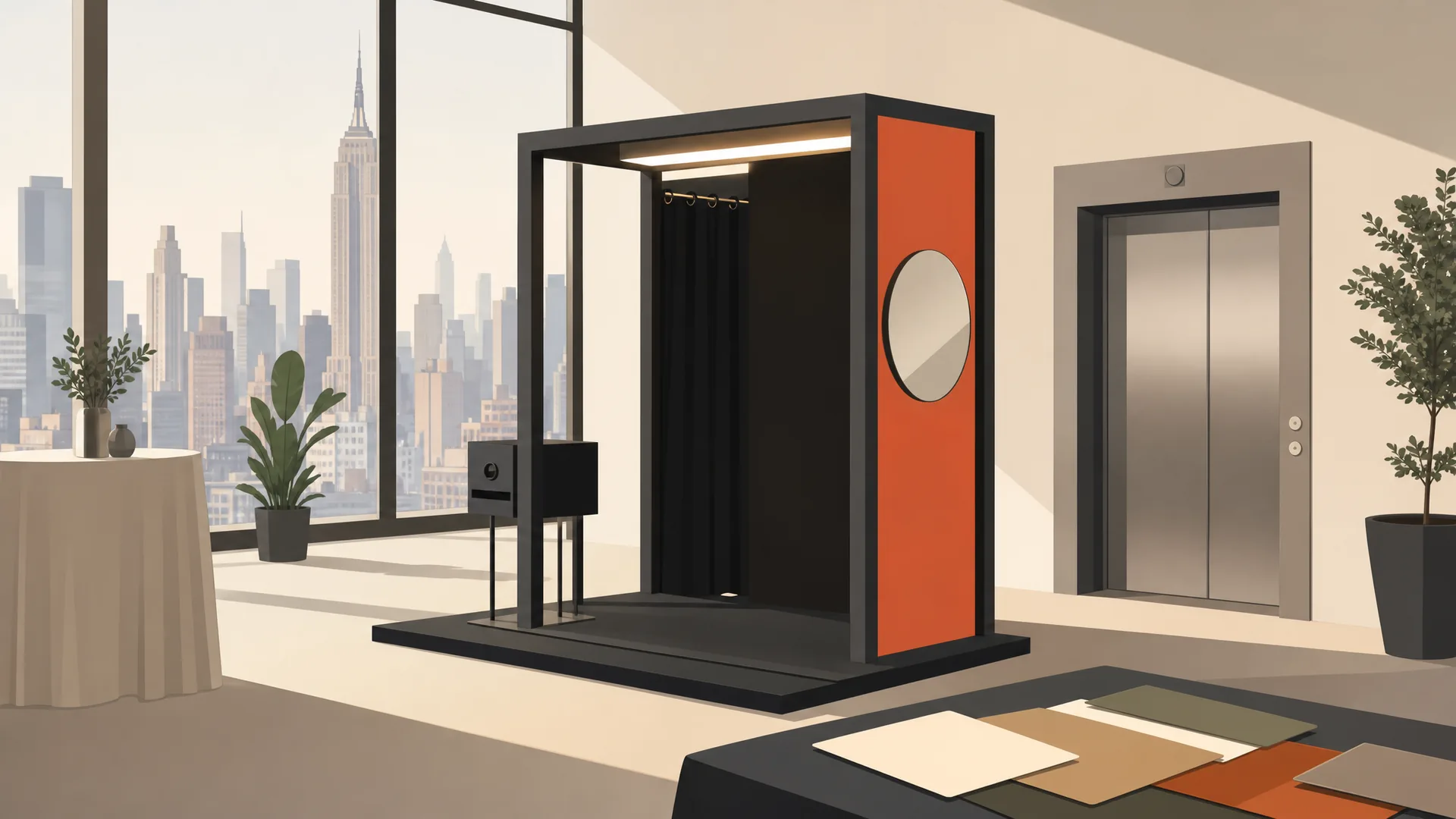
Video is also ideal when the event itself is highly designed. If you have invested in a premium venue, fashion-forward decor, custom branding, or a beautifully styled guest experience, a video guestbook lets that energy come through. The keepsake becomes more immersive because it reflects the look of the event along with the words being said.
Still, video asks more of your guests. Some people love performing on camera. Others suddenly forget what they wanted to say. If your crowd is reserved, or if the event has a more intimate and emotional tone, participation can dip unless the setup feels warm and inviting.
The guest list should influence the choice
One of the smartest ways to decide between audio guestbook vs video guestbook is to think less about trend appeal and more about your actual guests.
If your crowd is mixed in age, not especially camera-ready, or likely to spread out and mingle rather than line up for an activity, audio often fits better. It slips into the event naturally. Guests can leave a message without needing much direction, and the experience does not compete with the rest of the celebration.
If your guests are social, expressive, and already documenting the night on their phones, video may feel like an easy win. The more confident and outgoing the crowd, the better the participation usually is. That is especially true at Sweet 16s, birthday parties, launch events, and corporate celebrations where people are already in a high-energy, content-friendly mindset.
There is also a difference between emotional comfort and social comfort. Some guests are happy to speak sincerely into a phone because it feels private, but they become self-conscious on video. Others light up the second a camera is involved. Knowing which group you are hosting matters more than following what is popular online.
Venue flow and timing matter more than most people expect
A guestbook experience only works well if it fits the rhythm of the event. This is where planners often separate a good idea from a smart one.
Audio guestbooks are easier to place almost anywhere. They take up less visual attention and can work beautifully in a lounge area, near cocktail hour, or in a quiet corner where guests can pause and leave a message without feeling rushed. They are ideal when you want something elegant and interactive without creating another major station on the floor plan.
Video guestbooks usually benefit from more intentional placement. Lighting, backdrop, privacy, and traffic flow all matter. If the setup is too exposed, some guests may skip it. If it is too tucked away, people may miss it altogether. The most successful video guestbook experiences feel visible enough to attract interest but styled enough to make participation feel flattering and easy.
Timing matters too. If your event schedule is tight, audio can be simpler to integrate. If there is room for guests to linger, explore, and engage with multiple activations, video has more space to succeed.
Which one creates the stronger keepsake?
That depends on what you mean by stronger.
If you want something deeply emotional, audio can be hard to beat. Voices carry nuance that surprises people later - the pause before someone tears up, the spontaneous laugh, the message from a relative whose voice you want to keep forever. Audio is often understated in the moment and powerful years later.
If you want a fuller sensory memory, video has the advantage. You see faces, relationships, energy, and styling. It can feel cinematic, especially when the event itself is visually beautiful. A video message from a best friend or parent can become an irreplaceable part of your event story because you are preserving expression as well as sound.
The better question is not which one is stronger in general. It is which one matches the way you want to remember the people in the room.
For weddings, milestone parties, and corporate events
Weddings often lean naturally toward audio because it captures sincerity without making guests feel like they are performing. It works especially well for couples who want emotional, personal messages and a guest experience that feels romantic, stylish, and easy to use. Video can be a beautiful choice too, particularly for couples who love content creation and want to preserve the visual energy of the day.
Milestone parties can go either way. An intimate anniversary dinner may be better suited to audio. A bold birthday celebration, Sweet 16, or engagement party may come alive on video because guests are ready to celebrate loudly and visually.
Corporate events usually depend on the objective. If the goal is elegant engagement with low friction, audio is a polished fit. If the goal includes branded content, team personality, or social-ready moments, video offers more versatility. This is one reason premium event teams often help clients choose based on event format instead of treating every rental the same.
So which should you choose?
Choose audio if you want something intimate, low-pressure, and surprisingly moving. Choose video if you want expression, visual storytelling, and a more dynamic final keepsake. If guest comfort is your top concern, audio usually has the edge. If shareability and visual impact matter most, video often wins.
The best events do not choose experiences just because they are trending. They choose the one that fits the room, the people, and the feeling they want to preserve. At 36T Event Rentals, that is usually where the right answer becomes clear - not in a checklist, but in the kind of memory you want your guests to leave behind.
A great guestbook does more than record attendance. It captures the atmosphere of the night in a way that still feels alive when you revisit it later, and that is the version worth choosing.