Wedding Seating Chart Ideas That Actually Work
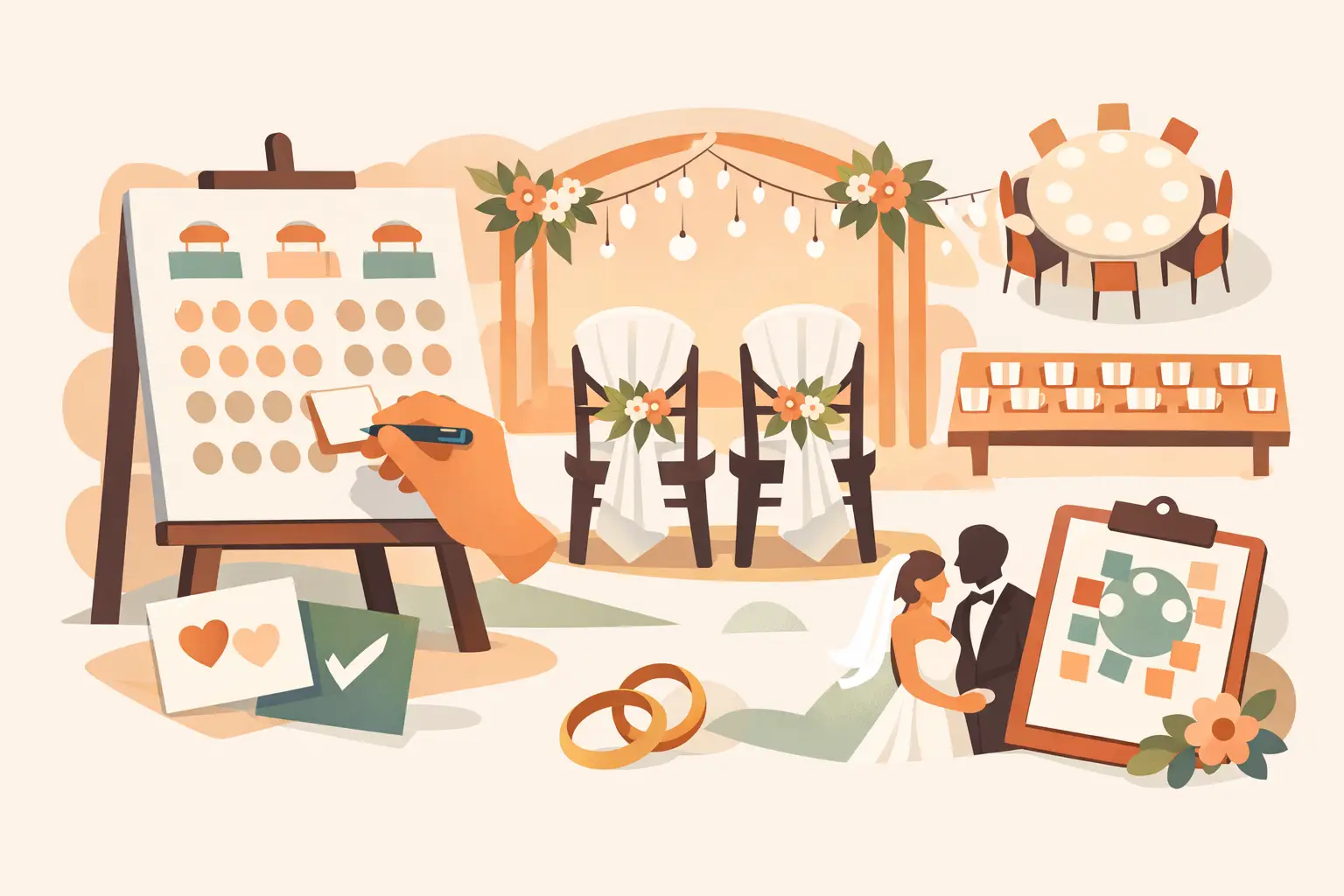
The moment guests walk into your reception, they start looking for one thing right away - where they belong. A well-planned wedding seating chart does more than direct traffic. It sets the tone, keeps the room organized, and quietly shapes how the night feels from the first toast to the last song.
That is why seating is never just a last-minute logistics task. It is part design choice, part guest experience, and part event strategy. When it is handled thoughtfully, your reception feels polished and effortless. When it is rushed, even a beautiful room can feel confusing fast.
Why a wedding seating chart matters more than couples expect
Most couples start with the obvious goal: making sure every guest has a seat. But the real value of a wedding seating chart is flow. It helps guests settle in quickly, reduces the awkward pause at the reception entrance, and gives your planner, venue team, and entertainment vendors a cleaner rhythm to work with.
It also affects energy in the room. The right seating plan can encourage conversation, keep family dynamics manageable, and make sure your VIP guests feel considered. The wrong one can create bottlenecks, empty pockets of energy, or tables that never quite connect with the celebration around them.
This matters even more at weddings where the experience is designed with intention. If you are investing in statement decor, immersive entertainment, or guest-focused details, seating should support that same level of execution. A beautiful event works best when the practical pieces are just as refined as the visual ones.
Start with the room before assigning seats
A seating chart is easier to build when you understand the layout first. Before deciding who sits where, look at the room itself. Consider the dance floor, sweetheart table or head table, DJ or band placement, bar, photo activations, and entrances. Guests should be able to move naturally through the space without crowding key areas.
Some tables will always be more desirable than others. Tables with a direct view of the couple, good access to the dance floor, and enough distance from speakers are often the easiest placements. Tables near service doors, restrooms, or high-traffic walkways may require more thought. That does not mean they are bad seats, but they may be better suited for guests who are less likely to mind a busier location.
This is where it helps to think like a host, not just a planner. Ask yourself how guests will experience the room for four or five hours, not just how it looks on paper.
How to build a seating chart without the stress spiral
The cleanest process starts with categories. Separate immediate family, wedding party, close friends, extended family, coworkers, and family friends. Once you see the guest list in groups, the chart becomes far easier to shape.
Then think about relationships, not just names. Who already knows each other? Who will enjoy meeting? Who should probably have some space? Every wedding has at least a few sensitive combinations, whether that means divorced parents, opinionated relatives, or friend groups with very different personalities. A polished seating chart accounts for those dynamics without making them the whole story.
It also helps to decide early whether you are assigning tables only or specific seats. Table assignments are simpler and give guests a little flexibility once they arrive. Assigned seats offer more control, which can be helpful for formal weddings, complicated family situations, or tightly timed receptions. Neither choice is automatically better. It depends on your guest list, venue style, and how structured you want the evening to feel.
Who should sit closest to the couple
Parents, grandparents, siblings, and the wedding party usually belong nearest to the couple. That is the standard for a reason. These are the guests most involved in the day, and close placement reflects that importance.
After that, think in layers. Your inner circle should feel connected to the celebration's center. Guests who know fewer people may benefit from sitting a little closer to the action too, especially if it helps them feel included. Meanwhile, highly social groups often do fine a bit farther out because they bring their own energy with them.
One common mistake is putting all older guests in the far corners of the room. Sometimes that makes sense if they prefer a quieter area, but not always. Many grandparents and family elders want a clear view of the couple and the major moments. Comfort matters, but so does honor.
The most common wedding seating chart mistakes
The first mistake is waiting too long. Seating charts take more emotional energy than couples expect, especially once RSVP changes start rolling in. Give yourself enough time to make smart decisions instead of reactive ones.
The second is focusing only on balance and not chemistry. A table of ten guests who technically fit together is not always a table that will click. Age range, conversation style, and familiarity all matter. A great table usually has one thing in common beyond family ties or friend groups - it gives people a natural starting point.
Another issue is overloading one table with big personalities. A lively table is great. A chaotic one can pull focus and create uneven energy across the room. You want movement and excitement throughout the reception, not just concentrated in one section.
Finally, couples sometimes treat the seating display as an afterthought. Guests interact with it the moment they enter the space. If the display is cramped, hard to read, or tucked into a corner, the arrival experience feels less organized than it should.
Style matters, but readability matters more
Your seating display should absolutely complement your wedding design. It can be sleek, romantic, modern, dramatic, minimal, or fully customized to your theme. But if guests cannot find their names quickly, style is not doing its job.
Clear typography, organized sections, and enough space around the display all make a difference. Alphabetical order is often the easiest for larger guest counts, while table-based groupings can work beautifully for smaller weddings. The right format depends on how many guests you have and how quickly you want them to find their assignments.
For couples planning a more elevated reception, digital displays can bring a polished edge that printed boards sometimes cannot. They feel clean, modern, and visually striking, while also supporting a more curated guest arrival. For events with a strong design point of view, that detail can carry real impact.
A digital wedding seating chart can also be practical. It is easier to read in dim venues, often simpler to update before the event, and naturally aligns with modern celebrations that already include immersive guest experiences. For couples who want a refined entrance moment instead of a crowded paper board, it is a smart upgrade.
Matching the chart to your guest experience
Your seating plan should support the kind of reception you want. If your wedding is formal and elegant, structured assignments may feel right. If it is energetic and social, table assignments with flexible seating at each table may create a more relaxed atmosphere.
Think about your entertainment too. Guests seated near interactive experiences, dance floor moments, or key activation areas may engage differently than guests placed farther away. That is not necessarily a problem, but it is worth planning intentionally. A strong layout helps the whole reception feel connected, especially when guest experience is a priority.
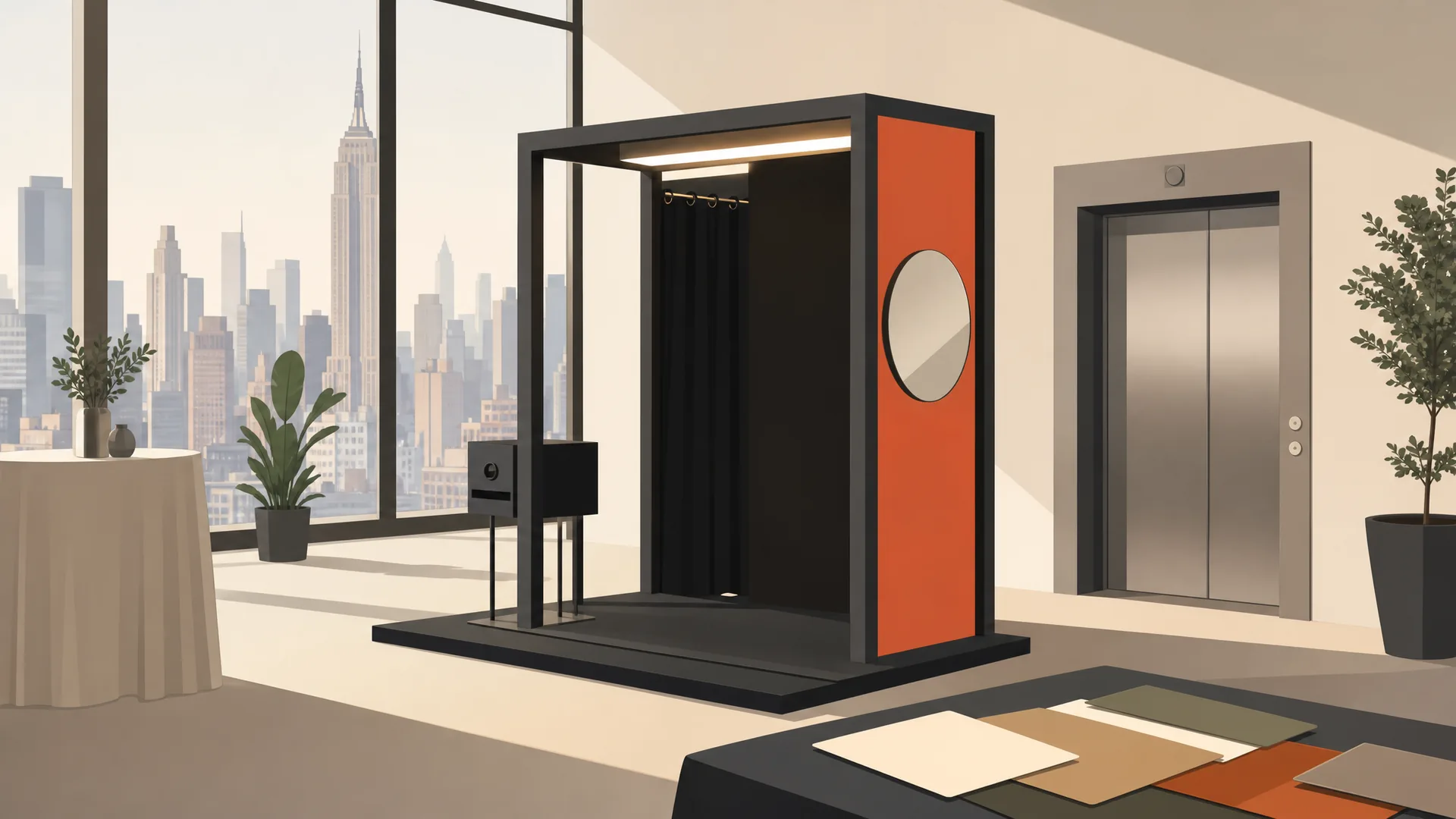
For example, if you are featuring premium interactive elements such as a photo booth, audio guestbook, or digital seating chart display, placement should feel integrated rather than random. These details work best when they complement the room's flow and contribute to the overall energy of the event. That is part of what makes a celebration feel elevated instead of pieced together.
When to ask for help
If your guest list is over 150, your family dynamics are complicated, or your venue layout is unusual, outside support can save you more than time. It can protect the guest experience. A planner, coordinator, or experienced event partner can often spot flow issues or placement problems before they turn into day-of stress.
This is especially true for couples planning weddings in busy Tri-State venues where timing, spacing, and guest movement matter. In high-energy spaces, every operational detail counts. A company like 36T Event Rentals understands that the guest experience is built not only through standout moments, but through smooth execution from the minute guests walk in.
A seating chart may not be the flashiest part of your wedding, but it shapes one of the first impressions your reception makes. When it is thoughtful, readable, and aligned with the way your celebration is designed to feel, guests notice. Maybe not in words, but in how easily they settle in, connect, and enjoy the night.
Give it the same care you give the music, the florals, and the photos. The best weddings feel effortless because the details were handled with intention long before the doors opened.